Your home is one of your largest investments and your family’s primary sanctuary. Regular upkeep isn’t just cosmetic— it’s a practical way to reduce risk from water damage, mold growth, and fire-related hazards, especially in New Jersey where seasonal extremes stress building systems year-round.
If you ever need professional help, start here: Kraus Restoration or contact our team.
Understanding the Three Types of Home Maintenance
Preventive Maintenance: Your First Line of Defense
Preventive maintenance is scheduled upkeep that keeps systems running efficiently and catches small issues before they escalate.
- Monthly HVAC filter changes
- Quarterly gutter cleaning
- Annual water heater flushing
- Seasonal roof inspections
- Regular appliance servicing
Corrective Maintenance: Fixing What’s Broken
Corrective maintenance addresses problems that already exist. The key is speed—small fixes prevent larger secondary damage.
- Repairing dripping faucets
- Replacing worn weather stripping
- Fixing thermostat or HVAC performance issues
- Patching roof leaks
- Addressing electrical concerns
Emergency Repairs: Crisis Response
Emergency repairs are for sudden events like flooding, fires, or structural compromise. In those cases, you want a restoration team that can respond immediately.
For water emergencies, see our service overview: Water Cleanup & Drying.
The Financial Case for Regular Maintenance
Preventing Costly Major Repairs
Small problems become expensive disasters when ignored. A minor leak can turn into damaged drywall, insulation, flooring, and eventually mold remediation.
Enhancing Energy Efficiency
Well-maintained homes run more efficiently. Simple tasks like sealing air leaks and replacing filters reduce HVAC strain and keep bills predictable during NJ’s temperature swings.
Protecting Property Value
Buyers notice maintenance history. A home that’s cared for feels safer, looks better during inspection, and is less likely to hide expensive issues.
Preventing Water Damage: New Jersey’s Most Common Home Threat
Common Water Damage Sources
- Plumbing failures from aging pipes, fittings, and appliance hoses
- Weather intrusion through roofs, windows, and foundation cracks
- Basement seepage during spring thaw and heavy rain
- Appliance malfunctions from washers, dishwashers, and water heaters
Proactive Water Damage Prevention
- Inspect plumbing under sinks, behind toilets, and around the water heater.
- Maintain gutters/downspouts and discharge water away from the foundation.
- Test sump pumps regularly; consider a battery backup if outages are common.
- Inspect the roof annually (shingles, flashing, vent boots, chimney areas).
- Know the main shutoff and make sure household members can operate it.
- Monitor water pressure; high PSI increases failure risk.
When Water Damage Happens: What to Do First
- Stop the water source if safe and possible.
- Shut off electricity to affected areas (if water is near outlets/panels).
- Remove standing water and move valuables to dry areas.
- Start drying immediately to reduce mold risk.
For professional drying and remediation, use: Water Cleanup. If you want a service-area page, start with: Water Damage Restoration in New Jersey or local coverage pages like Morristown, Livingston, Parsippany, Paramus, or Bloomfield.
Need Emergency Water Cleanup?
If water is actively spreading, don’t wait. Call (973) 886-2021 or request help here.
Understanding and Preventing Mold Growth
Why Mold Matters
Mold can trigger allergic reactions and respiratory irritation, and it damages porous building materials over time. Because New Jersey can be humid, moisture control is the main lever for prevention.
Conditions That Promote Mold
- Plumbing or roof leaks
- Condensation from poor ventilation
- High indoor humidity (often above ~60%)
- Basement/crawlspace dampness
- Flooding or unmanaged water damage
Practical Mold Prevention
- Keep indoor humidity in a controlled range (dehumidifiers help in basements).
- Vent bathrooms, kitchens, and laundry areas to the exterior.
- Fix leaks immediately—mold can begin quickly after moisture exposure.
- Inspect common problem zones monthly (under sinks, around windows, behind toilets).
If you suspect or confirm mold, use our service page: Mold Cleanup & Remediation. County pages (if you want location relevance) include Morris County, Essex County, Bergen County, and Passaic County.
Fire Safety: Prevention and Preparedness
Maintenance That Reduces Fire Risk
- Test smoke/CO detectors monthly; replace batteries as needed.
- Inspect outlets/cords; avoid overloaded circuits and unsafe power strips.
- Service heating equipment before winter (furnaces, fireplaces, chimneys).
- Clean dryer vents to prevent lint-related fires.
- Store flammables safely away from ignition sources.
Preparedness
- Create and practice a home escape plan.
- Keep appropriate fire extinguishers accessible and learn how to use them.
- Keep exit paths clear (doors, windows, stairs).
After Fire Damage
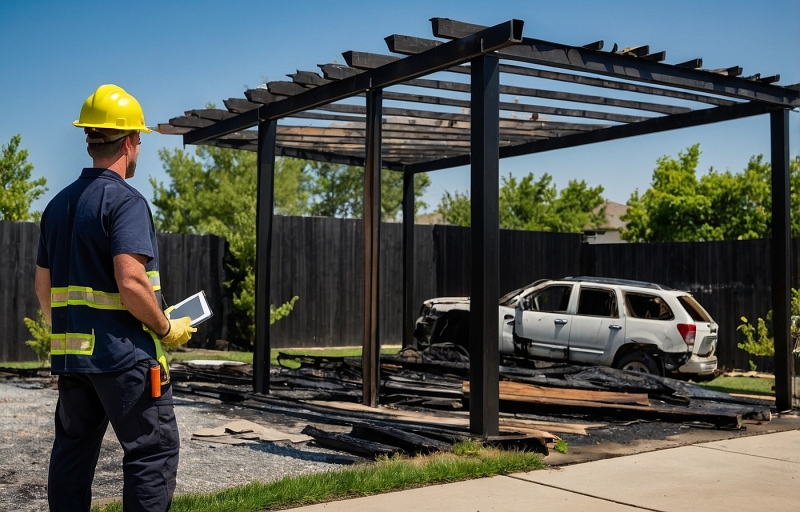
Fire damage is not only visible charring—smoke and soot infiltrate porous materials, and suppression efforts can create secondary water damage. If you need professional cleanup, see: Fire Cleanup & Smoke Damage Restoration. County pages include Morris County, Essex County, Bergen County, and Passaic County.
Creating Your Home Maintenance Schedule
Monthly
- Test smoke and CO detectors
- Replace/inspect HVAC filters
- Check plumbing for leaks
- Inspect fire extinguishers
- Test garage door auto-reverse safety feature
Quarterly
- Clean gutters and downspouts
- Test sump pump
- Inspect caulking around tubs/showers
- Check weather stripping around windows/doors
- Inspect foundation for cracks
Seasonal
Spring: roof check, drainage cleanup, HVAC tune-up.
Summer: AC inspection, grading check, exterior sealing where needed.
Fall: gutter cleaning, heating inspection, winterization, insulation checks.
Winter: monitor for ice dams, prevent frozen pipes, confirm emergency readiness.
Annual
- Professional HVAC service
- Water heater maintenance
- Roof inspection
- Chimney inspection/cleaning (if applicable)
- Pest inspection (as needed)
When to Call Professionals
DIY maintenance is valuable, but professional help is essential for electrical hazards, significant plumbing issues, HVAC repairs, structural concerns, and any situation involving extensive water damage, mold, or fire/smoke exposure.
Kraus Restoration Services
Need Help Now?
Call (973) 886-2021 or use our contact page.